
What is the Right to Erasure (‘right to be forgotten’) of the EU GDPR? The fast approaching General Data Protection Regulations (GDPR) of the European Union is the most comprehensive set of laws to hit the world of data … Read More
Data Discovery

The Encryption Burden of GDPR and the New York DFS
The Encryption Burden of GDPR and the New York DFS The persistently growing threat of cyber attack has begun to spur government agencies to enact security guidelines. These guidelines will have a mounting effecting on private industry. The most pertinent … Read More
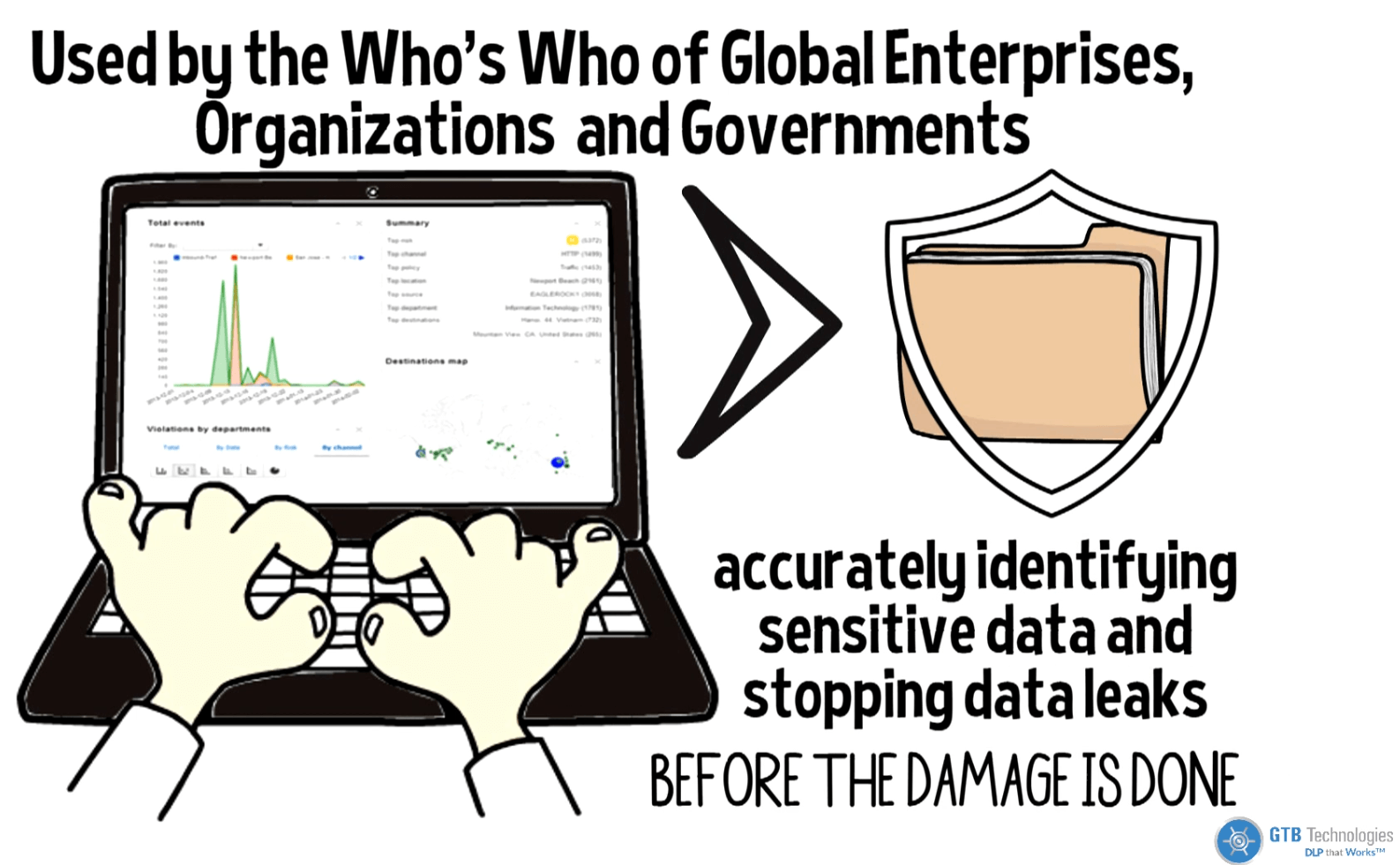
Importance of the Technology Behind E-Discovery
The Importance of the Technology Behind e-Discovery Solutions The sheer quantity and quality of data at the core of major investigations have reached new levels. It is no longer uncommon to have complex cases with tens and even hundreds … Read More
Insider Threats, preventing data exfiltration
The digital economy is undergoing remarkable transformation and security is being compelled to evolve as organizations embrace services that are more dynamic in nature. The things organizations do to grow, innovate, and drive performance change the cyber risk landscape every day.
Business leaders today are realizing that the digitalization is fundamentally enabling sharing of information across a multitude of platforms, not necessarily protecting it. They recognize that they are essentially at the mercy of their own employees and third parties associated with them to handle crucial business sensitive information.
On the other hand, cyber security incidents, including breach and disclosure of intellectual property, customer data, other sensitive data (e.g., GDPR, PII, PHI, PCI), are increasingly pervasive in today’s business environment. Data is one of a organization’s most vital asset and the cyber risks associated with data is crucial for any organization. According to a 2017 Insider Threat Report, out of all the potential cyber threats in the wild, insider threats is one of the most prevalent threats and associated incidents have risen due to economic conditions and insider access accorded to non-approved third parties.
So, fundamentally who is an insider threat? Any employee who has the potential to harm an organization for which they have inside knowledge or access. The past several years have seen some of the history’s most high-profile data breaches. The extent of data loss across the organization is incrementing year by year and so are the associated challenges in protecting the data.
The Ponemon Institute’s 2017 Cost of a Data Breach study estimates that in the US, the cost per record of a data breach is $201 per record (including many factors, direct and indirect). Those costs jump to $215 per record in the case of malicious attacks, or incident involving third parties. Obviously, this can add up to hundreds of thousands, or millions, depending on the amount of sensitive data involved.
But what the various cost analyses of cyber incidents don’t take into account is that malicious attacks are increasingly aimed not at the theft of sensitive data, but the serious disruption of operations, the elimination of data, or theft of intellectual property or information that can permanently impact market share and competitive advantage.
Recent attacks demonstrate that we need to change the game
There are multiple types of insider incidents seen across industries. The GTB perspective is that organizations cannot succumb to thinking of themselves as passive victims of cyber crime. However, we need to take stock of the fact that, it is our own relentless leveraging of technology, which create gaps that cyber criminals exploit.
To manage the risks arising from internal threats from a cyber risk perspective, though, means that it has to be taken on as a business problem. Executives do not need to suddenly become cyber security experts, but need to lead the discussion with an emphasis on:
- Focus on risk mitigation versus compliance requirements: Many organizations are heavily focused on addressing audit and regulatory findings, but the solutions implemented often do not help reduce risk and address threats that the company faces.
- Build and maintain a comprehensive inventory of sensitive assets and data: Many organizations don’t know where their data is. It’s very difficult to appropriately protect data if you don’t know where it is collected, stored, used, and transferred both inside and outside the organization.
- Focus on implementing solutions to protect data and monitor for data loss at the “data layer”: Many organizations are not effectively implementing critical capabilities such as Data Loss Protection (DLP) solutions, encryption and database activity monitoring, among others. Building the capability to monitor systems, applications, people, and the outside environment to detect incidents more effectively.
- Consistently execute the security fundamentals: Many organizations are still not consistently executing fundamental data protection capabilities (e.g., patching, privileged access, asset management), which leaves sensitive data even more vulnerable.
This may require more investment, but it may also simply entail a new approach. The crux of that approach is to recognize that managing cyber risk must be an inherent aspect of growth and innovation strategies. The two cannot be separated.
How secure is your data? Do you REALLY know? Find out now
Risk Analysis is the first step in an organization’s Security Rule compliance effort. Risk Management is a requirement. GTB’s Healthcare Data Risk Assessment allows an organization to conduct an accurate and thorough risk analysis of the potential risks and vulnerabilities of a covered entity’s ePHI.
Utilizing the GTB Data Protection that Works platform, organization’s will be able to start the required security risk analysis and audit preparedness as mandated by the HIPAA Security Rules and the HIPAA Privacy and Breach Notification Rules … at a substantial savings!
Free HIPAA Risk Assessment · Identify & Classify Regulated ePHI Data to be controlled · Identify potential places where this information might leak – all outbound channels & ports need to be inspected, not just HTTP, Email and the usual Web protocols · Scan data stores & Endpoints (laptops, USB, local drives, etc.) for regulated ePHI, PII, PCI information · Apply Policies & Controls – automatically, in real-time · Enterprise Reporting – accurate and detailed for Auditors & Administrators · No Cost Implementation, Training, Support and Report Review And a lot more Try it out Contact GTB’s Compliance Assurance Services for more information and to receive our latest Case Study:
|
 GTB DLP that WorksTM Platform Secures Enterprise Healthcare Insurer